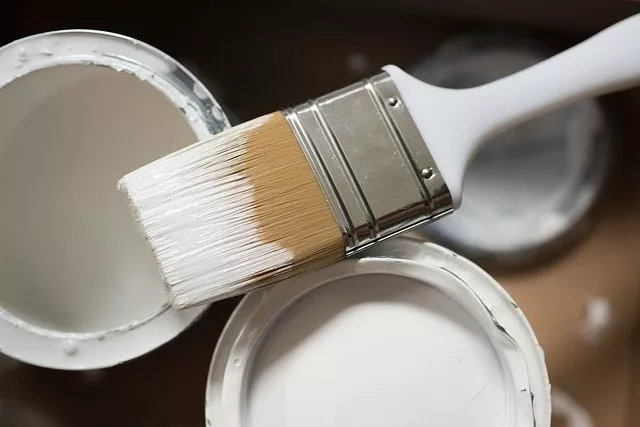
Eco-friendly Paint

Eco-Friendly PaintIn recent years, the push towards sustainability has influenced many aspects of our lives, including the choices we make for our homes. One significant area where you can make an eco-friendly choice is in the selection of wall paint. Traditional paints often contain harmful chemicals that can negatively impact both the environment and your health. Eco-friendly options for paint offer a safer, more sustainable alternative.What Makes Paint Eco-Friendly?Eco-friendly paints are designed to minimize environmental impact and improve indoor air quality. Here are some key features that make a paint eco-friendly:Low or Zero VOCs: Volatile Organic Compounds (VOCs) are chemicals that evaporate into the air as paint dries, contributing to indoor air pollution and health issues like headaches and respiratory problems. Eco-friendly paints have low or zero VOC content, reducing these risks.Natural Ingredients: Many of these paints use natural ingredients such as clay, milk protein, and plant oils, hints, the "eco-friendly". These ingredients are biodegradable and less harmful to the environment.Non-Toxic: Eco-friendly paints avoid toxic chemicals like formaldehyde, heavy metals, and other harmful additives. This makes them safer for your family, including pets.Sustainable Production: The production process of these paints often involves sustainable practices, such as using renewable energy sources and reducing waste.Benefits of Eco-Friendly Wall PaintChoosing eco-friendly wall paint comes with several benefits:Healthier Indoor Air Quality: By reducing or eliminating VOCs and other toxins, going eco-friendly with your wall paints will help maintain better indoor air quality, which is crucial for respiratory health.Environmental Protection: These paints reduce the release of harmful chemicals into the environment, contributing to a healthier planet.Durability and Performance: Many eco-friendly paints are highly durable and provide excellent coverage, which also ensures that your walls look great for years to come.Aesthetic Variety: Just because it's eco-friendly, doesn't mean there are color limitations to these paints! come in a wide range of colors and finishes, allowing you to achieve the look you want without compromising on sustainability.Popular Eco-Friendly Paint BrandsSeveral brands are leading the way in producing high-quality and eco-friendly paints. Some of the most popular include:Benjamin Moore Natura: Known for its zero VOC formula and wide range of colors.ECOS Paints: Offers non-toxic and zero VOC paints that are safe for sensitive individuals.Farrow & Ball: Uses natural ingredients and offers a variety of beautiful finishes. AFM Safecoat: This specializes in non-toxic, low VOC paints that are ideal for those with chemical sensitivities.Recolor: Recolor is the brand we use and recommend the most, it is low in VOC and is even recycled. You can buy it here.Switching to this paint is a simple yet impactful way to make your home more sustainable. By choosing paints with low or zero VOCs, natural ingredients, and non-toxic formulations, you can create a healthier living environment for you and your family while also protecting our planet. Next time you plan a painting project, consider the benefits of eco-friendly wall paint and make a choice that aligns with your values. Back To Top

Continue ReadingEco-friendly Paint

How to Choose the Right Stove

Selecting the right stove is crucial for both your cooking needs and the overall functionality of your kitchen. Here, we will show you how to choose the right stove. These are some things to consider when choosing a stove: Fuel Type Gas Stoves: Known for their quick heating and precise temperature control, gas stoves are favored by many chefs. Although even though their long-trusted use, recent studies have discovered that they also are harmful to humans and the environment. They also require a gas line, so if you choose it even though it's dangers, ensure your kitchen is equipped for this. Electric Stoves: These are easy to install and provide even heating. They come in two main types: coil and smooth-top. Smooth-top stoves are easier to clean and offer a sleek look. Induction Stoves: These use electromagnetic energy to heat pots and pans directly, which makes them highly efficient and safe. They require compatible cookware but offer rapid heating and precise control. Dual Fuel Stoves: These combine a gas cooktop with an electric oven, offering the benefits of both fuel types. But it also comes with the cost of gas stove dangers. Check out our blog post, "Are Gas Stoves Dangerous?" To learn more. Size and Configuration Standard Sizes: Most stoves come in 30-inch widths, but you can also find models ranging from 20 to 48 inches. Choose a size that fits your kitchen layout and cooking needs. Single vs. Double Oven: Double ovens are great for multitasking and cooking multiple dishes at different temperatures. Single ovens are sufficient for smaller households or those who don’t cook large meals frequently. Installation Type Freestanding Stoves: These are versatile and can be placed anywhere in the kitchen. They often come with a built-in backsplash and controls on the back panel. Slide-In Stoves: These stoves fit seamlessly between cabinets and give a built-in look. Controls are typically located on the front, making them easier to access. Drop-In Stoves: These are installed flush with the countertop and require custom cabinetry. They offer a sleek, integrated appearance. Features and Functions Modern stoves come with a variety of features to enhance your cooking experience: Convection Cooking: Fans circulate hot air for even cooking and faster baking times. Self-Cleaning: This feature saves time and effort by burning off food residues at high temperatures. Smart Technology: Some stoves can be controlled remotely via smartphone apps, allowing you to preheat the oven or adjust settings from anywhere.  Specialized Burners: Look for stoves with high-power burners for quick boiling and low-power burners for simmering. Energy Efficiency Consider stoves with an Energy Star rating or other energy-efficient certifications. These models consume less power, which will save you money on utility bills and reducing your environmental impact. Budget Stoves can range from budget-friendly to high-end models. Determine your budget and look for a stove that offers the best features within your price range. Remember, a higher price doesn’t always mean better performance. Brand and Warranty Choose a reputable brand known for quality and…

Continue ReadingHow to Choose the Right Stove

Are Gas Stoves Dangerous?

Gas stoves have long been a popular choice in kitchens due to their quick heating and precise temperature control. However, recent studies have highlighted several health and environmental risks associated with their use. Here’s what you need to know about the potential dangers of gas stoves:1. Indoor Air PollutionThese gas-powered stoves can release a variety of harmful pollutants into your home, including:Nitrogen Dioxide (NO2) This gas can irritate the respiratory system and has been linked to the development and exacerbation of asthma, particularly in children.Carbon Monoxide (CO): Even at low levels, CO can cause headaches, dizziness, and fatigue. High levels of CO can be life-threatening.Formaldehyde and Benzene: These chemicals are known carcinogens (cancer causing) and can contribute to long-term health issues.2. Respiratory IssuesExposure to the pollutants emitted by gas stoves can lead to respiratory problems. Studies have shown that children living in homes with these stoves are more likely to experience symptoms of asthma and other respiratory conditions. Adults with pre-existing respiratory issues may also find their symptoms worsening.3. Environmental ImpactGas stoves contribute to environmental pollution by releasing methane, a potent greenhouse gas. Methane emissions from these stoves can be significant, even when the stove is turned off. This contributes to climate change and has a broader impact on the environment.4. Safety Concerns These stoves pose several safety risks, including:Fire Hazards: The open flame this type of stove can easily ignite nearby flammable materials.Gas Leaks: A malfunction or improper installation can lead to gas leaks, which are not only a fire hazard but can also cause explosions.Burns and Injuries: The open flame and hot surfaces can cause burns, especially in households with young children.5. Mitigation MeasuresWhile gas-powered stoves have their risks, there are ways to mitigate these dangers:Ventilation: Always use a range hood or exhaust fan when cooking to reduce the concentration of pollutants in your kitchen2.Regular Maintenance: Ensure your gas stove is properly maintained and serviced regularly to prevent leaks and ensure efficient operation.Consider Alternatives: If possible, consider switching to electric or induction stoves, which do not produce the same harmful emissions. By being aware of these risks and taking appropriate measures, you can reduce the potential dangers associated with gas stoves and create a safer cooking environment for your family. If you want to learn more, check out this article about gas stoves by NPR.   Otherwise, you can dive into which other ovens you can use, by checking out our blog post, How to Choose the Right Stove. npr.org How to Choose the Right Stove

Continue ReadingAre Gas Stoves Dangerous?