Choosing the Right Faucet: A Simple Buyer’s Guide
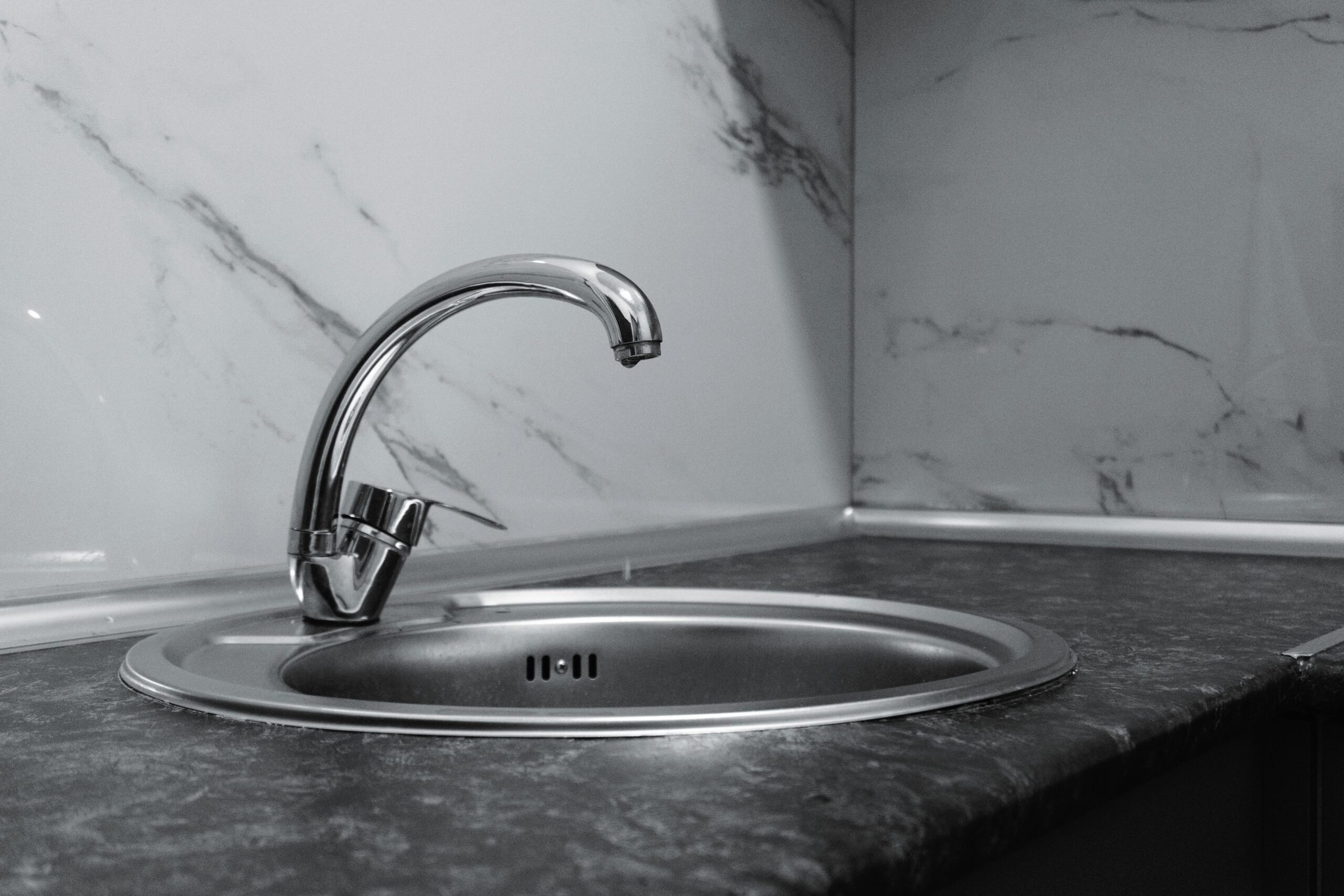
Choosing a faucet is a decision that affects both the function and look of your kitchen or bathroom. While faucets may seem like small details, they play a major role in everyday comfort, water use, and long‑term maintenance. That’s why choosing the right faucet requires more thought than simply picking a finish you like. This guide explains what to look for so you can feel confident when choosing the right faucet for your space. Start With Where the Faucet Will Be Used The first step in choosing the right faucet is understanding how and where it will be used. Kitchen faucets often need a higher spout and greater flexibility, while bathroom faucets usually focus more on size and style. Think about daily habits. Frequent cooking, cleaning, or shared use all influence which features will matter most. Match the Faucet to Your Sink Choosing the right faucet begins with compatibility. Always check how many mounting holes your sink or countertop has and how they are spaced. Some faucets require one hole, while others need three or more. Ignoring this detail can limit your options or require additional parts. Consider Style Without Ignoring Function When choosing the right faucet, appearance matters—but function comes first. Modern, traditional, and transitional designs all work well when matched thoughtfully with cabinets, hardware, and lighting. A well‑chosen faucet should blend into the space while still feeling intentional rather than distracting. Think About Handle Design and Controls Another key factor when choosing the right faucet is ease of use. Single‑handle models are simple and efficient, while two‑handle designs provide precise temperature control. Touchless faucets are also growing in popularity, especially in kitchens where cleanliness and convenience matter. Choose a Finish That Fits Your Lifestyle Finish choice affects both maintenance and durability. When choosing the right faucet, consider how much cleaning you want to do. Some finishes resist fingerprints and water spots better than others, making them ideal for busy households or shared bathrooms. Water Flow and Efficiency Matter Modern faucets are designed to reduce water waste without sacrificing pressure. Choosing the right faucet means checking flow rates and efficiency certifications. This helps conserve water while keeping performance consistent for everyday use. Installation and Build Quality Ease of installation is often overlooked. Choosing the right faucet includes making sure it fits existing plumbing and comes with clear instructions or standard connections. Durable internal components, such as ceramic disc valves, also help ensure long‑term reliability. Balance Quality and Budget When choosing the right faucet, price should reflect durability, not just appearance. Extremely low‑priced models may wear out faster or develop leaks. A mid‑range faucet from a reputable manufacturer often provides the best value over time. Final Thoughts Choosing the right faucet doesn’t have to be complicated. By considering location, compatibility, design, and durability, you can select a faucet that performs well and complements your space. With a little planning, choosing the right faucet becomes a smart investment that improves both function and comfort for years to come.