How to Choose the Right Countertop

How to Choose the Right CountertopWhen it comes to designing your kitchen, the countertop plays a significant role. It's not just a surface to work on, but also a focal point that can enhance the overall aesthetic of the space. With a plethora of options available in the market, choosing the right countertop can be overwhelming. Here's a guide to help you make an informed decision:  1. Consider Your LifestyleYour lifestyle and how you use your kitchen will heavily influence the type of countertop you should choose. If you have a busy household with lots of cooking, you might need a durable, low-maintenance surface. For those who love hosting, a stylish and functional countertop might be a priority.2. Evaluate Different MaterialsThere are several materials to choose from, each with its own set of advantages and disadvantages:Granite: Known for its natural beauty and durability, granite is heat and scratch-resistant. However, it requires periodic sealing to prevent stains.Quartz: Engineered stone that's non-porous and low-maintenance. It's available in a wide range of colors and patterns but can be more expensive.Marble: Offers a luxurious and elegant look. It's heat-resistant but can be prone to scratches and stains, making it high-maintenance.Laminate: Budget-friendly and available in numerous styles. It's not as durable as stone but it is easy to clean and maintain.Butcher Block (Wood): Provides a warm, rustic feel. It's perfect for chopping but requires regular oiling and can be susceptible to scratches and water damage.Concrete: Customizable and unique, concrete countertops can be tailored to your design preferences. They need sealing to prevent stains and can develop hairline cracks over time.3. BudgetYour budget will play a crucial role in determining the type of countertop you can afford. While materials like granite and quartz can be pricey, options like laminate and butcher block are more affordable. Keep in mind the long-term costs, including maintenance and repairs.4. AestheticsThe countertop should complement the overall design of your kitchen. Consider the color, pattern, and finish that will best suit your space. Whether you prefer a modern, minimalist look or a more traditional, classic style, there's a countertop to match your vision.5. Maintenance RequirementsSome countertops require more maintenance than others. For example, natural  stone surfaces like granite and marble need regular sealing, while quartz and laminate are low-maintenance options. Consider how much time and effort you're willing to invest in upkeep.6. Environmental ImpactIf sustainability is important to you, research the environmental impact of different materials. Options like recycled glass, bamboo, and reclaimed wood offer eco-friendly alternatives.7. Seek Professional AdviceConsulting with a professional can provide valuable insights and help you make the best choice. They can guide you through the selection process, offer design tips, and ensure proper installation.ConclusionChoosing the right countertop involves balancing functionality, aesthetics, and budget. By considering your lifestyle, evaluating different materials, and seeking professional advice, you can find the perfect countertop that meets your needs and enhances your space.
Continue ReadingHow to Choose the Right Countertop

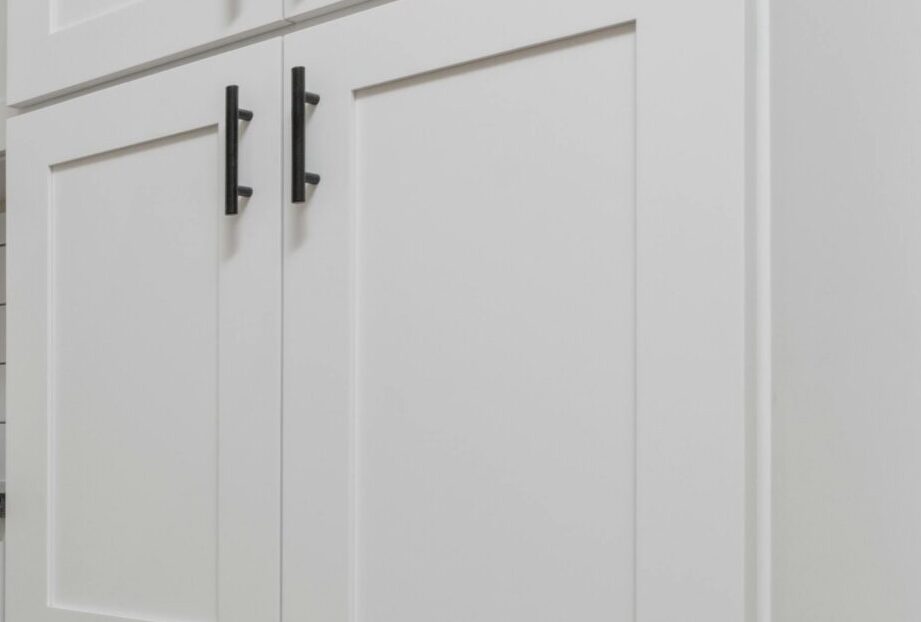
How to Choose the Right Kitchen Cabinets

Choosing right kitchen cabinets is not as simple as it seems. You have to consider design, functionality, durability, and cost, as well as so much more! Luckily, we're here to help.Assess Your Needs and LifestyleStorage Requirements: Consider how much storage space you need. Think about the types of items you store in your kitchen and ensure there’s enough room for everything.Usage: If you cook frequently, you might need more durable materials and efficient storage solutions. For a more casual kitchen, aesthetics might take precedence.Set a BudgetCost Range: Kitchen cabinets can vary widely in price. Determine your budget early on to narrow down your options.Quality vs. Cost: Balance between quality and cost. Sometimes investing a bit more upfront can save money in the long run due to durability and longevity.Choose the Right MaterialSolid Wood: Offers a classic look and durability but can be expensive.Plywood: A good balance between cost and durability.MDF (Medium-Density Fiberboard): Affordable and smooth, but less durable than wood. Also, MDF can be harmful, so make sure to check that first.Particleboard: The most budget-friendly but also the least durable.Select a StyleTraditional: Features ornate details and classic finishes.Modern: Sleek lines, minimalistic design, and often uses materials like glass and metal.Transitional: A blend of traditional and modern elements, offering flexibility in design.Consider the FinishPainted: Offers a wide range of color options and a smooth finish.Stained: Highlights the natural beauty of wood grain.Laminate: Durable and easy to clean, available in various colors and patterns.Think About FunctionalitySoft-Close Hinges: Prevents doors from slamming shut.Pull-Out Shelves: Makes it easier to access items at the back of the cabinet.Lazy Susans: Great for corner cabinets to maximize space.Measure Your SpaceAccurate Measurements: Ensure you have precise measurements of your kitchen space to avoid any fitting issues.Layout Considerations: Think about the kitchen layout and how the cabinets will fit into the overall design.Consult a ProfessionalExpert Advice: A kitchen designer can provide valuable insights and help you make the best choices based on your needs and preferences.Installation: Professional installation ensures that your cabinets are fitted correctly and securely. Learn more about kitchens

Continue ReadingHow to Choose the Right Kitchen Cabinets

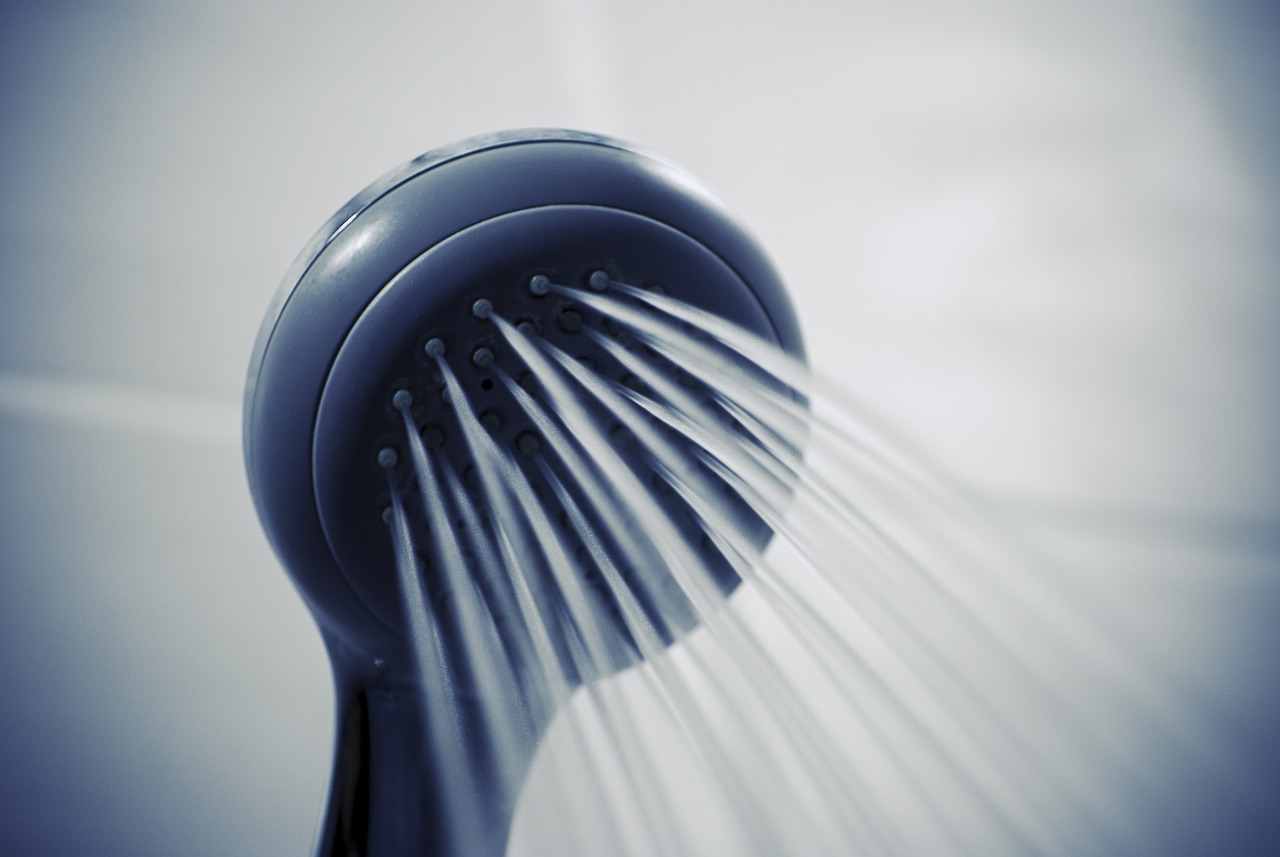
Water saving shower heads

As concerns about water conservation and sustainability grow, many homeowners are looking for ways to reduce their water usage without sacrificing comfort. One effective solution is to install water-saving shower heads. These innovative fixtures can help you save water, lower your utility bills, and contribute to a more sustainable future.What Are Water-Saving Shower Heads?Water-saving shower heads, also known as low-flow shower heads, are designed to use less water than traditional shower heads. They achieve this by either aerating the water stream or using a high-speed oscillation stream to maintain water pressure while reducing the flow rate. The result is a satisfying shower experience that uses significantly less water.Benefits of Water-Saving Shower HeadsWater Conservation: The primary benefit of these types of shower heads is their ability to conserve water. The average family can save up to 2,700 gallons of water per year by switching to a low-flow shower head.Lower Utility Bills: By using less water, you’ll also reduce your water and energy bills. Heating water accounts for a significant portion of household energy use, so using less hot water can also lead to substantial savings.Environmental Impact: Reducing water usage helps to conserve natural resources and decrease the strain on water treatment facilities. This contributes to a healthier environment and supports sustainability efforts.Improved Efficiency: Modern water-saving shower heads are designed to provide a powerful and enjoyable shower experience despite using less water. Many models offer adjustable settings, which allows you to customize the water flow to your preference.Types of Water-Saving Shower HeadsThere are several types of water-saving shower heads to choose from, each with its own advantages:Aerating Shower Heads: These mix air with water to create a misty spray. This method reduces water usage while maintaining a steady flow.Laminar-Flow Shower Heads: These produce individual streams of water, which can feel more like a traditional shower while still conserving water.High-Efficiency Shower Heads: These use advanced technology to reduce water flow without compromising on pressure or coverage.Top Picks for your Water-Saving Shower HeadHere are some popular water-saving shower heads that have received positive reviews for their performance and efficiency:Kohler Forté 1.75 GPM Shower Head: Known for its powerful spray and sleek design.High Sierra’s 1.5 GPM Fixed Shower Head: Offers excellent water efficiency and durability.Moen Engage Magnetix 1.75 GPM Handheld Shower Head: Combines convenience with water-saving features.Installation and MaintenanceInstalling a water-saving shower head is typically a straightforward process that can be done without professional help. Most models come with easy-to-follow instructions and require only basic tools. Also, regular maintenance, such as cleaning the shower head to prevent mineral buildup, will ensure optimal performance and longevity.Switching to a water-saving shower head is a simple yet impactful way to reduce your water usage and support environmental sustainability. With a variety of options available, you can find a model that fits your needs and preferences while enjoying the benefits of lower utility bills and a smaller environmental footprint. Make the smart choice today and upgrade to a water-saving shower head for a more sustainable home. Are you starting…

Continue ReadingWater saving shower heads