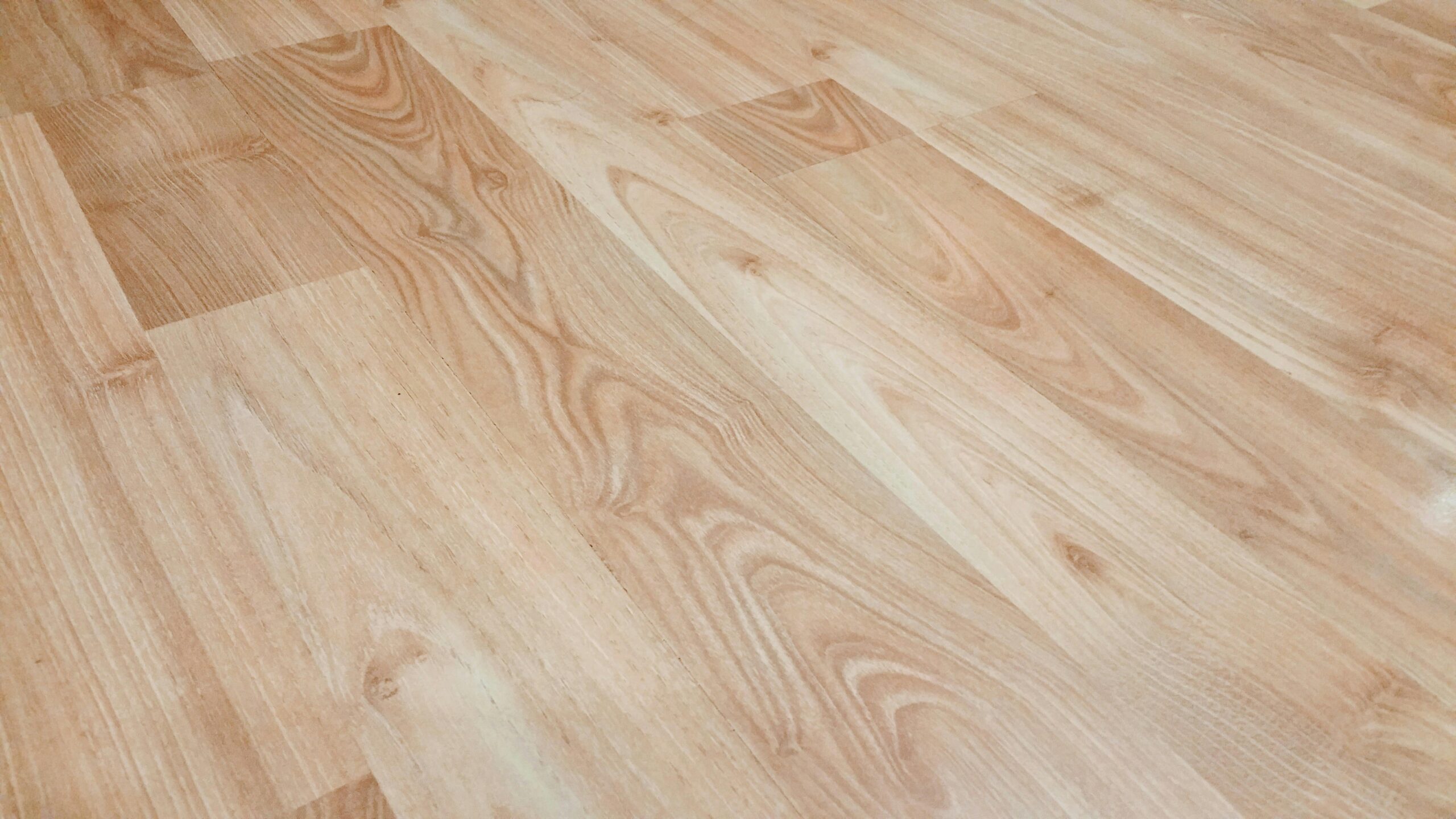
How to Choose the Right Floor

Consider Moisture Levels: If your floor will be installed in a high- or medium-moisture area (such as a bathroom or kitchen), opt for materials like concrete, ceramic or porcelain tile, or vinyl tile For low-moisture areas, all types of flooring are still suitable. Pet Friendly Flooring If you have pets, prioritize wear resistance. Some seemingly durable options, like site-finished solid hardwood, can scratch easily. Consider ceramic or porcelain tile, laminate flooring, plank vinyl flooring, or even carpeting for better durability. Budget and Price Range: Determine your square footage budget: $2.00 or less: Bargain laminate flooring or sheet/tile resilient flooring. $2.00-$5.00: Sweet spot for domestic solid hardwood, engineered wood, attractive laminates, and higher-quality luxury vinyl tile. $5.00 or more: Explore rare or imported hardwoods and premium laminate/luxury vinyl options. Installation: If you’re comfortable with DIY, consider laminate flooring or plank vinyl flooring. Both are easier for homeowners to self-install. Ceramic or porcelain tile installation is more complex. Style and Décor: Think about your preferred colors, patterns, and textures. Consider how the flooring complements your existing furniture and accessories. Durability: Remember that durability is very important. You don’t want to redo the floor in 10 years. Choose vinyl planks, luxury vinyl planks, bamboo, tiles, laminate, engineered wood, or choose the most durable of them all, natural stone. Softness: If you like that soft feeling of your floor, have a family with kids, or usually walk barefoot inside, you might want to consider softer and more comfortable floors. Carpets are soft and give the best cushion for accidents. If you are allergic to dust, hypoallergenic carpets work well. Vinyl flooring is also a good option for a smooth, softer surface. You can also try PVC (polyvinyl chloride) which is also waterproof and soft. In summary, there are many different floors to choose from. The most common one that fit most needs would be vinyl, but a floor is very individual. If you still can’t decide what works best, just contact us and send us a message to get a quote. Contact us Learn more about floors


Continue ReadingHow to Choose the Right Floor

How to plan and prepare for your renovation

Undertaking a renovation project is an exciting endeavor, but it requires careful planning and consideration. Here are some considerations before starting a renovation project.Set Intentions and Budget:Know What You Want: Clearly define what changes you want to make. Also, consider whether you’re renovating to increase your home’s value, modernize the space, or to better meet your needs.Budget Wisely: Determine your budget and add a buffer (around 10-15%) for unexpected expenses. Remember to keep in mind costs for any interior design help and if you need alternative housing during the renovation.Prioritize Your Goals:Set Priorities: Firstly, decide which rooms or areas you want to renovate most. Consider sustainable design, style longevity, and functionality. Prioritize what matters most to you.Know Your Non-Negotiables: Identify aspects you’re not willing to sacrifice. For example, if you want more natural light, prioritize windows.Plan and Organize:Create a Detailed Plan: Don’t start without a comprehensive plan. Home renovations can be stressful, and proper planning helps prevent issues. Also, consider enlisting a construction firm or an interior designer for guidance.Interior Designers: Hiring a designer can be beneficial. They can help guide you and consider style and functionality to reach the right feeling in your home.Materials:Materials Matter: Choose durable, strong materials that suit your home, remember quality materials will last and look good over time. Consult professionals if you’re unsure. Contractors and interior designers can provide valuable insights.In summary, there are many different things to consider before starting a renovation project. Even though it might feel like a huge undertaking, it is definitely worth it once you get it done, it will make you feel better, and you will be standing proud, looking at your new, improved, and absolutely stunning home. If you still don't know where to start, we can help. Visit our contact us page, fill in your information, and get your free quote. So, what are you waiting for, it's time for the journey to begin!

Continue ReadingHow to plan and prepare for your renovation

5 Great Space-Saving Tips

Whether your home is big or small, space is always a priority. It's important that you have enough space to live in, and to put things away. We understand that it might not be easy to always have room for everything, so that's what this is for. With these 5 great space saving tips, you are ready for the renovation plan to start. Prioritize Your Goals and Needs: Assess Your Space: Begin by evaluating your existing space. Identify what works well and what needs improvement. Also, consider your lifestyle, family size, and daily routines. Set Clear Goals: Define your objectives. Do you need more storage, better flow, or additional living areas? Prioritize your needs to guide your renovation decisions. Maximize Storage and Organization: Built-In Solutions: Opt for built-in storage options like custom cabinets, shelves, and drawers. Utilize vertical space efficiently. Multi-Functional Furniture: Choose furniture that serves multiple purposes. For example, a sofa with hidden storage or a fold-out dining table can save space. Smart Layout and Traffic Flow: Open Concept: Consider an open floor plan to create a seamless flow between rooms. Removing non-load-bearing walls can open up space. Zoning: Divide your space into functional zones (e.g., cooking, dining, relaxation). Arrange furniture and fixtures accordingly. Lighting and Mirrors: Natural Light: Maximize natural light by using large windows, skylights, and glass doors. Bright spaces feel more spacious. Strategic Mirrors: Place mirrors strategically to reflect light and create an illusion of depth. Mirrors reflect the room, making it look larger. Mirrored closet doors or wall mirrors work well. Choose Space-Saving Furniture and Fixtures: Foldable and Stackable: Invest in furniture that can be folded or stacked when not in use. Folding chairs, drop-leaf tables, and nesting coffee tables are great options. Also, a murphy bed is perfect for small apartments. Sliding Doors: Opt for sliding doors instead of swinging doors to save floor space. Pocket doors are ideal for bathrooms and closets. Remember, thoughtful planning and creative solutions can transform your space, making it both functional and visually appealing. Whether you are looking for more storage, more empty space, or both, we are happy to help. Remember, even though it might seem impossible, with these 5 great space saving tips, you can renovate to fit your needs. To start your renovation project, just contact us to get your free quote! Contact Us

Continue Reading5 Great Space-Saving Tips