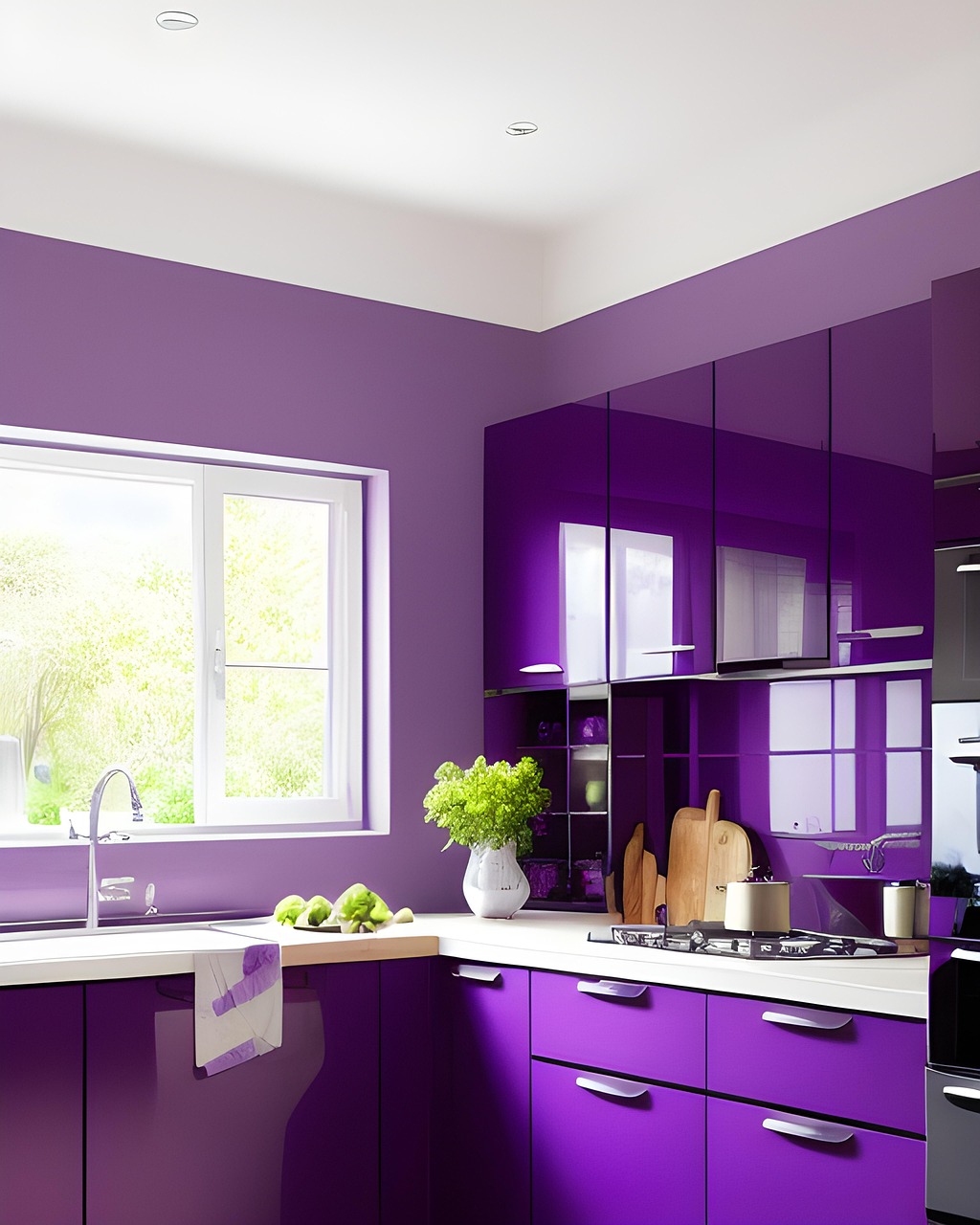
How to organize your Kitchen

   When you organize your kitchen, it isn’t just about aesthetics—it’s about efficiency, ease, and joy. Whether you're a seasoned home chef or someone who just wants to stop losing the spatula every other day, when you organize your kitchen, it will make cooking and cleaning feel less like chores and more like rituals.Step 1: Assess Your Space and Habits before you organizeBefore diving into bins and labels, take a moment to reflect:What do you use most often?Where do bottlenecks happen (e.g., everyone crowding around the fridge)?Which areas feel cluttered or chaotic?Think in zones: prep, cook, clean, store, snack. This helps you group items by function and place them where they’re most useful.Step 2: DeclutterEmpty your cabinets and drawers one at a time. Ask yourself:Do I use this?Is it broken, duplicated, or expired?Get rid of things that you don't want, use or that's broken. This includes:Chipped mugsUnused kitchen gadgets (hello, avocado slicer)Expired spices and pantry items Be aware that expired doesn't always mean it's bad. Food can stay much longer than the expiration date says. Check out our article, how to know if food is still good, to learn more.Step 3: Organize into Groups and CategorizeSort items into categories, for instance:Cooking tools: spatulas, ladles, tongsPrep gear: cutting boards, mixing bowlsPantry staples: grains, canned goods, spicesServing items: plates, glasses, cutleryUse clear bins, baskets, or drawer dividers to keep categories tidy and visible. And don't forget to label! You know that's the real reason you wanted to organize your kitchen.Step 4: Maximize Storage to fit more room to OrganizeMake every inch count:Vertical space: Add shelf risers or hanging racks.Cabinet doors: Install hooks or slim organizers.Refrigerator racks: If magnetic, add refrigerator side racks to maximize space.Drawers: Use adjustable dividers for utensils and gadgets.Countertops: Keep only daily-use items out (e.g., coffee maker, fruit bowl).Consider a lazy Susan for corner cabinets or spice racks to keep things organized and label everything for easy access.Step 5: Organize the refrigerator and PantryRefrigerator: Group by type—dairy, produce, condiments. Use clear bins and label shelves.Pantry: Store dry goods in airtight containers. Arrange by frequency of use and label clearly.Make sure to rotate older items to the front to avoid waste.Step 6: Create an organized Cleaning StationDesignate a spot for:Dish soap, sponges, and towelsTrash bags and recycling binsSurface cleaners and glovesKeep it compact but accessible—under the sink is a classic choice, but you can organize it wherever makes the most sense in your kitchen.Step 7: Add Personality and Function while still being organizedUse floating shelves for cookbooks or plants.Hang a chalkboard or whiteboard for grocery lists and meal plans.Display beautiful items like ceramic bowls or vintage jars.A kitchen should reflect your style while staying practical.Organizing your kitchen isn’t a one-time event—it’s a habit. Start small, stay consistent, and enjoy the calm that comes with knowing exactly where everything is. If you want to learn more about organizing, check out our post "5 Great Space-Saving Tips", or if you want to learn more about kitchens, check out "How to Choose the Right Kitchen Cabinets" 5 Great Space-Saving Tips…

Continue ReadingHow to organize your Kitchen

How to Choose the Right Blanket

So, when designing a living room, you obviously need a throw or blanket to be on your couch, but how do you choose the right one? That's what you're about to find out.1. Material Matters The fabric of the blanket plays a significant role in how soft it will feel and look. Consider these popular options:Cotton: Lightweight, breathable, and suitable for all seasons. It's great for individuals with allergies as it's often hypoallergenic.Wool: Warm and insulating, perfect for colder climates. Wool blankets are heavier and offer a classic cozy feel.Fleece: Super soft, lightweight, and easy to clean. It's an excellent option for both adults and children.Down or Synthetic Down: Provides exceptional warmth without being too heavy, making it ideal for winter months.Cashmere: Luxuriously soft and lightweight, though it requires extra care when cleaning.2. Size and Fit Blankets come in various sizes to accommodate different needs.Personal Use: A throw blanket is perfect for solo lounging or adding a decorative touch to a couch.3. Intended Purpose Think about how and where you'll use the blanket:For Sleep: Opt for a breathable and temperature-regulating blanket to avoid overheating.Outdoor Use: Choose durable and weather-resistant materials like fleece or waterproof options.Weighted Blankets: These are designed for relaxation and stress relief, providing a gentle, calming pressure.4. Style and Aesthetics Blankets can double as décor items, so pick one that matches your style.Look for patterns, textures, and colors that complement your room’s theme.Neutral tones blend effortlessly, while bold prints make a statement.5. Care and Maintenance Check the washing and care instructions before purchasing. Machine-washable blankets are more convenient for everyday use, while delicate materials like wool or cashmere may require special handling. Now that you have the knowledge of how to choose the right blanket, why don't you check out what pillows to get, or you can just look at living room things in general. Pillows Living Rooms

Continue ReadingHow to Choose the Right Blanket

The 10 Most Durable Countertops

The 10 Most Durable Countertops Choosing a durable countertop is essential for both functionality and aesthetics, especially in  high-traffic areas like the kitchen and bathroom. Here's a rundown of the ten most durable countertops to consider for your home: 1. Quartz Durability: Quartz countertops are engineered from natural quartz combined with resin. This makes them incredibly durable, non-porous, and resistant to scratches, stains, and heat. Pros: Low maintenance, wide range of colors and patterns, non-porous. Cons: Can be expensive, not as heat-resistant as some natural stones. 2. Granite Durability: Granite is a natural stone known for its toughness. It is resistant to scratches, heat, and stains when properly sealed. Pros: Natural beauty, heat-resistant, scratch-resistant. Cons: Requires periodic sealing, can be expensive. 3. Porcelain Durability: Porcelain countertops are made from ceramic clay and minerals. They are highly resistant to scratches, heat, and stains. Pros: Non-porous, low maintenance, available in various colors and patterns. Cons: Can be expensive, edges may chip if not handled carefully. 4. Solid Surface (e.g., Corian) Durability: Solid surface countertops are made from a blend of acrylic or polyester resins and are durable and non-porous. Pros: Seamless appearance, easy to repair scratches and dents, low maintenance. Cons: Can be prone to heat damage, may scratch more easily than stone. 5. Stainless Steel Durability: Stainless steel countertops are highly durable, resistant to heat, stains, and bacterial growth. Pros: Heat-resistant, easy to clean, hygienic. Cons: Can scratch and dent, industrial look may not suit all styles. 6. Concrete Durability: Concrete countertops are incredibly durable and can be customized to your design preferences. Pros: Customizable, heat-resistant, unique appearance. Cons: Can develop hairline cracks, requires sealing to prevent stains. 7. Recycled Glass Durability: Recycled glass countertops are made from glass shards embedded in a cement or resin base. They are durable and eco-friendly. Pros: Unique and vibrant appearance, eco-friendly, heat-resistant. Cons: Can chip or crack with heavy impact, may require sealing. 8. Soapstone Durability: Soapstone is a natural stone that is highly resistant to heat and stains. It can develop a patina over time, adding character. Pros: Heat-resistant, stain-resistant, low maintenance. Cons: Can scratch and dent, limited color options. 9. Butcher Block Durability: Butcher block countertops are made from solid wood and can be incredibly durable with proper care. Pros: Warm, natural appearance, can be sanded and refinished. Cons: Requires regular maintenance and oiling, susceptible to water damage and scratches. 10. Marble Durability: Marble is a luxurious natural stone that is heat-resistant but can be prone to scratches and stains. Pros: Elegant appearance, heat-resistant. Cons: High maintenance, can be expensive, prone to scratches and stains. Conclusion When choosing a countertop, durability is a key factor to consider. Each material has its own set of advantages and disadvantages, so it's essential to assess your specific needs and preferences. Whether you prioritize low maintenance, eco-friendliness, or a particular aesthetic, there's a durable countertop option to match your requirements.

Continue ReadingThe 10 Most Durable Countertops