Why Wallpaper Can Transform a Room
Wallpaper has made a major comeback, and for good reason. It adds depth, personality, and visual interest in a way paint alone often can’t. But with endless patterns, textures, and materials available, figuring out how to choose the right wallpaper can feel overwhelming. The good news is that once you understand the key elements—lighting, scale, texture, and room purpose—you can make confident choices that elevate your space instead of complicating it.
Understanding How Lighting Affects Wallpaper
Just like paint, wallpaper behaves differently depending on the lighting in your room. Natural light can soften or intensify colors, while artificial light can highlight textures or make patterns appear more dramatic. In bright, sun‑filled rooms, bold patterns tend to feel more balanced, while darker spaces may benefit from lighter or more reflective designs. Metallic or textured wallpapers can catch and reflect light beautifully, adding dimension to rooms that need a little extra brightness. Paying attention to how light moves through your space throughout the day helps ensure your wallpaper looks intentional and harmonious.
Choosing Patterns and Scale That Fit Your Space
Pattern scale is one of the most important—and most misunderstood—parts of choosing wallpaper. Large‑scale patterns can make a room feel more expansive, especially when used on a single feature wall or in a spacious area. Smaller patterns create a more delicate, detailed look and work well in cozy rooms or spaces where you want subtle visual interest. Vertical patterns can make ceilings feel higher, while horizontal designs can widen a room. The key is to think about how the pattern interacts with the architecture of your space and the furniture within it. When the scale feels balanced, the entire room feels more cohesive.
Using Design Principles to Shape the Mood
Wallpaper is a powerful tool for setting the tone of a room. Soft, organic patterns create a calming atmosphere, making them ideal for bedrooms or reading nooks. Geometric designs bring structure and energy, perfect for offices or modern living spaces. Textured wallpapers—like grasscloth, linen, or embossed designs—add warmth and sophistication, giving a room a more layered, high‑end feel. The emotional effect of design plays a huge role in how a space feels, so consider the mood you want to create before committing to a pattern.
Selecting the Right Wallpaper Material for Your Lifestyle
Wallpaper comes in a variety of materials, each with its own strengths. Vinyl wallpaper is durable, easy to clean, and ideal for high‑traffic areas like hallways, kitchens, or kids’ rooms. Non‑woven wallpaper is breathable and tear‑resistant, making it a great choice for most living spaces. Traditional paper wallpaper offers beautiful detail but requires more care during installation. Peel‑and‑stick wallpaper has become popular for renters or anyone who likes to change their décor frequently, though it may not adhere well to textured walls. Choosing the right material ensures you it won’t only looks great but also holds up to daily life.
Why Testing Wallpaper Samples Is Essential
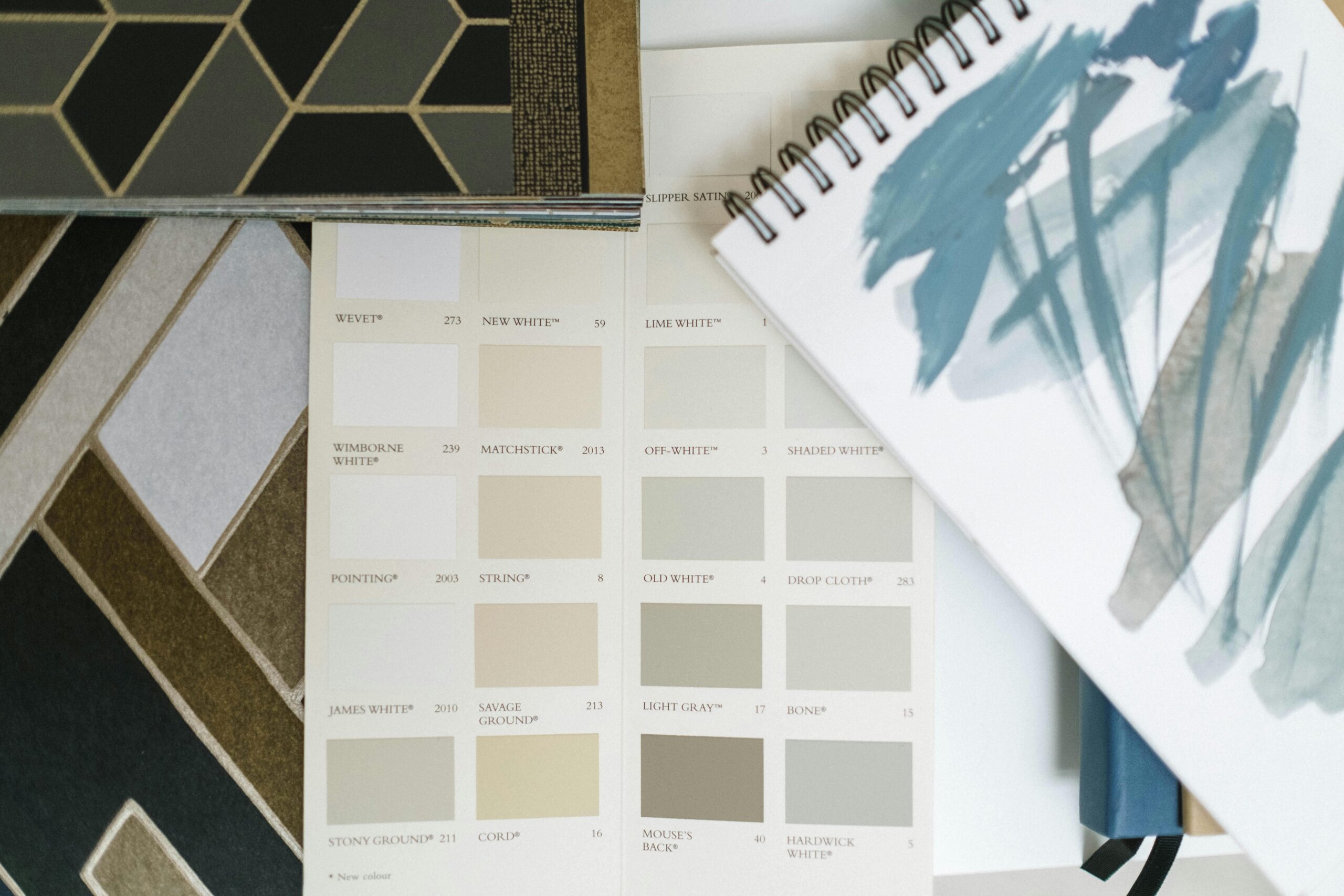
Even the most beautiful wallpaper can look completely different once it’s on your wall. That’s why testing samples is a step you should never skip. Place sample swatches on multiple walls and observe them at different times of day. Notice how the pattern interacts with your furniture, flooring, and lighting. This simple step helps you avoid costly mistakes and ensures the wallpaper you choose truly enhances your space.
Bringing It All Together
Learning how to choose the right wallpaper doesn’t have to be intimidating. When you understand your lighting, consider pattern scale, think about the emotional effect of design, choose the right material, and test your samples, you’re far more likely to create a room that feels intentional, stylish, and beautifully put together. If you’re not a wallpaper person and just read this entire article because you felt like it, here’s a link to our post “The Secrets Everyone Misses When Choosing Wall Paint”