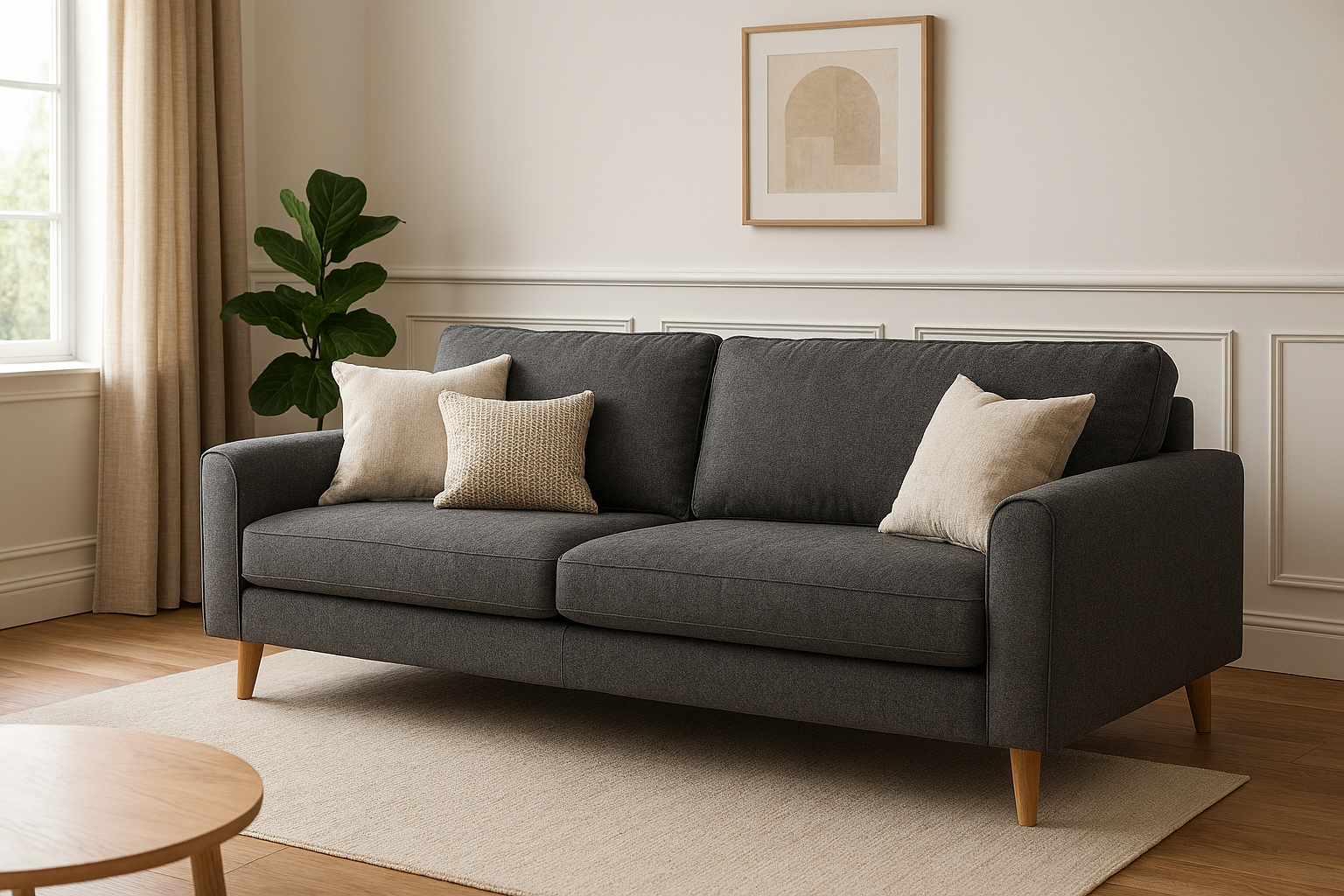
How to Choose the Right Sofa

Choosing the right sofa is one of the most important decisions you’ll make when furnishing your home. A sofa is more than just a place to sit it’s a centerpiece, a comfort zone, and often the most used piece of furniture in a living space. With so many options available, from styles and sizes to fabrics and frames, finding the perfect sofa can feel overwhelming. This guide will help you confidently choose a sofa that matches your space, lifestyle, and taste. Understand How You’ll Use Your Sofa Before browsing styles and colors, think about how the sofa will be used. Will it be for everyday lounging, entertaining guests, family movie nights, or occasional seating in a formal room? For families or frequent use, prioritize durability and stain-resistant materials. For entertaining, consider a larger sofa or sectional that provides ample seating. For smaller spaces or apartments, a compact sofa may be ideal. Your lifestyle should guide every sofa decision you make. Choose the Right Sofa Size Size is one of the most critical factors. A beautiful sofa that’s too big or too small can throw off the balance of a room. Measure Your Space Measure the room carefully, including doorways, hallways, and staircases. Make sure your sofa can fit through the entry points and sit comfortably without overcrowding the space. Match the Scale A large sectional works well in open-plan rooms, while a slim profile one suits smaller living areas. Always leave room to walk around the sofa easily. Pick a Sofa Style That Fits Your Home Your sofa should complement your overall interior style. Here are some popular styles to consider: Modern sofas – Clean lines, minimal details, often with metal or slim wooden legs Traditional sofas – Rolled arms, tufted backs, and classic silhouettes Mid-century sofas – Tapered legs, simple forms, and retro appeal Sectional sofas – Modular and versatile, ideal for large or open spaces Choose a style that aligns with your existing décor or sets the tone for the room. Select the Best Sofa Upholstery The fabric or material you choose affects both comfort and longevity. Popular Sofa Materials Fabric sofas offer comfort and variety in colors and textures Leather sofas provide durability, easy maintenance, and a timeless look Performance fabrics resist stains, spills, and wear If you have pets or children, look for tightly woven or stain resistant fabrics to keep it looking new for longer. Focus on Comfort and Cushioning It should feel just as good as it looks. Comfort is subjective, so test seating whenever possible. Cushion Types Foam cushions offer firm support and maintain their shape Down or feather cushions feel soft and luxurious but need regular fluffing Hybrid cushions combine foam and down for balanced comfort and durability Also consider seat depth and back height to ensure the sofa supports your posture. Check Sofa Frame and Build Quality A high-quality sofa starts with a strong frame. Look for frames made from solid hardwood like kiln-dried oak or maple. Avoid sofas constructed primarily…

Continue ReadingHow to Choose the Right Sofa

Eco friendly materials

Incorporating sustainable materials into your home is a fantastic way to create an eco friendly and stylish living space. Here are ideas to start you off:  Bamboo: This fast-growing, renewable resource is incredibly versatile. You can use it for flooring, furniture, or even decorative elements, No wonder pandas like it so much! Reclaimed Wood: Give old wood a new life by using it for flooring, furniture, or accent walls. It adds character and reduces the need for new timber. Also, if you have old wooden objects, don't even think about throwing them away! Cork: Harvested from the bark of cork oak trees, this renewable material can be used for flooring, wall coverings, and even furniture. It's also naturally insulating and sound-absorbing.  Recycled Glass: Incorporate recycled glass into countertops, backsplashes, or decorative pieces. It’s durable and adds a unique aesthetic to your home. You can also use colored glass as décor. Natural Stone: Materials like travertine and marble are not only beautiful but also long-lasting. Opt. for stones with recycled content to enhance sustainability.  Eco-Friendly Paints: Choose paints with low or no volatile organic compounds (VOCs) to improve indoor air quality and reduce environmental impact.  Organic Fabrics: Try to use organic cotton, linen, or hemp for upholstery, curtains, and bedding. Since these materials are free from harmful pesticides and are biodegradable. Recycled Metal: Incorporate recycled metal in fixtures, furniture, or decorative items. It’s durable and can add a modern touch to your design.  Sustainable Insulation: Consider insulation made from recycled materials like denim or cellulose. Since these options are effective and also environmentally friendly.  Energy-Efficient Appliances: Try investing in appliances that use less energy and water. Look for ENERGY STAR-rated products to ensure efficiency. It also lowers your electricity bill! By integrating these sustainable materials, you can create a home that is both beautiful and kind to the planet. Remember, when recycling you can create a unique design that meets your needs. Learn about eco friendly floors

Continue ReadingEco friendly materials

5 Great Space-Saving Tips

Whether your home is big or small, space is always a priority. It's important that you have enough space to live in, and to put things away. We understand that it might not be easy to always have room for everything, so that's what this is for. With these 5 great space saving tips, you are ready for the renovation plan to start. Prioritize Your Goals and Needs: Assess Your Space: Begin by evaluating your existing space. Identify what works well and what needs improvement. Also, consider your lifestyle, family size, and daily routines. Set Clear Goals: Define your objectives. Do you need more storage, better flow, or additional living areas? Prioritize your needs to guide your renovation decisions. Maximize Storage and Organization: Built-In Solutions: Opt for built-in storage options like custom cabinets, shelves, and drawers. Utilize vertical space efficiently. Multi-Functional Furniture: Choose furniture that serves multiple purposes. For example, a sofa with hidden storage or a fold-out dining table can save space. Smart Layout and Traffic Flow: Open Concept: Consider an open floor plan to create a seamless flow between rooms. Removing non-load-bearing walls can open up space. Zoning: Divide your space into functional zones (e.g., cooking, dining, relaxation). Arrange furniture and fixtures accordingly. Lighting and Mirrors: Natural Light: Maximize natural light by using large windows, skylights, and glass doors. Bright spaces feel more spacious. Strategic Mirrors: Place mirrors strategically to reflect light and create an illusion of depth. Mirrors reflect the room, making it look larger. Mirrored closet doors or wall mirrors work well. Choose Space-Saving Furniture and Fixtures: Foldable and Stackable: Invest in furniture that can be folded or stacked when not in use. Folding chairs, drop-leaf tables, and nesting coffee tables are great options. Also, a murphy bed is perfect for small apartments. Sliding Doors: Opt for sliding doors instead of swinging doors to save floor space. Pocket doors are ideal for bathrooms and closets. Remember, thoughtful planning and creative solutions can transform your space, making it both functional and visually appealing. Whether you are looking for more storage, more empty space, or both, we are happy to help. Remember, even though it might seem impossible, with these 5 great space saving tips, you can renovate to fit your needs. To start your renovation project, just contact us to get your free quote! Contact Us

Continue Reading5 Great Space-Saving Tips